How Nickel Alloy AMS 5663 Helps Aerospace Manufacturers
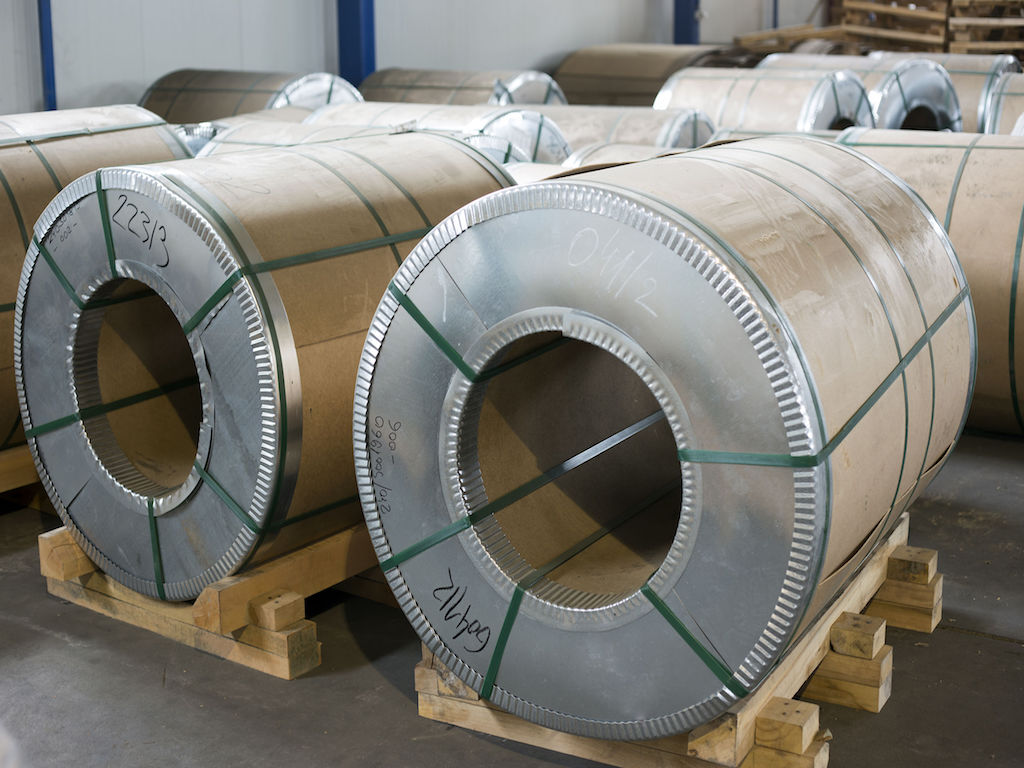
In aerospace engineering, materials are expected to do a lot more than just “hold up.” They need to survive extreme heat, pressure, vibration, and corrosion—all at the same time. That’s exactly where Nickel Alloy AMS 5663 stands out.
This high-performance material, commonly based on Inconel 718, is widely used in aircraft engines and other critical aerospace parts. It is designed for situations where regular metals would fail quickly.
Let’s take a closer look at why AMS 5663 is so important for aerospace manufacturers.
What Is Nickel Alloy AMS 5663?
AMS 5663 is an aerospace material specification that covers precipitation-hardened nickel-chromium alloy bars and forgings, usually made from Alloy 718.
In simple terms, it is a specially processed version of a nickel-based superalloy that has been heat-treated to achieve very high strength and stability.
It is commonly supplied in a fully aged condition, meaning it is already strengthened before it even reaches the manufacturer.
Exceptional High-Temperature Strength
Aircraft engines operate in extremely hot environments, especially in turbine sections. Many materials weaken under these conditions, but AMS 5663 performs differently.
This alloy can maintain strength at temperatures up to around 700–760°C (and sometimes higher depending on application conditions), making it ideal for hot engine zones.
This is one of the main reasons it is used in jet engines, where reliability at high heat is non-negotiable.
Excellent Creep and Stress Resistance
In aerospace, parts are not just exposed to heat—they are exposed to heat under constant load. Over time, this can cause materials to slowly deform, a process called creep.
AMS 5663 is known for its excellent creep-rupture strength, meaning it resists deformation even under long-term stress at high temperatures.
This makes it especially valuable for turbine discs, shafts, and engine fasteners that must stay dimensionally stable during operation.
Superior Corrosion and Oxidation Resistance
Aircraft components face harsh environments, including moisture, fuel exposure, and high-temperature oxidation.
Nickel alloys like AMS 5663 offer strong resistance to corrosion, pitting, and oxidation.
This protective behavior helps parts last longer and reduces maintenance needs, which is a major cost advantage for aerospace operators.
High Strength Without Excess Weight
While AMS 5663 is not as light as aluminum, it provides extremely high strength for its weight class among metals that can survive extreme heat.
This balance allows engineers to use smaller or thinner parts without sacrificing safety or durability. The result is better efficiency in engines and structural systems where performance matters more than raw weight savings.
Ideal for Jet Engines and Turbomachinery
One of the biggest uses of AMS 5663 is in jet engines and gas turbines. It is commonly used in:
- Turbine discs
- Rotor shafts
- High-stress fasteners
- Engine casings and components
These parts operate under extreme centrifugal force and heat, making material reliability critical.
AMS 5663’s combination of strength, fatigue resistance, and heat stability makes it a natural fit for these demanding applications.
Strong Fatigue Resistance for Flight Cycles
Aircraft parts don’t just face one-time stress—they face repeated cycles of takeoff, cruising, landing, and shutdown.
AMS 5663 performs well under these repeated stress cycles due to its strong fatigue resistance. This reduces the risk of cracks forming over time and improves long-term safety.
In aerospace, this reliability is essential because even small failures can have serious consequences.
Good Fabrication and Industry Acceptance
Although nickel alloys are generally harder to machine than aluminum, AMS 5663 is still widely used because of its predictable behavior and proven performance history.
It is supported by major aerospace standards and is commonly used across aircraft engine manufacturers worldwide. This makes it easier for engineers to design systems with confidence.
Supporting Modern Aerospace Engineering
As aircraft engines become more powerful and efficient, the demand for materials that can handle extreme conditions is growing.
AMS 5663 supports this evolution by enabling:
- Higher engine temperatures for better fuel efficiency
- Longer component life cycles
- Improved safety margins
- Reduced maintenance frequency
In short, it helps engineers push performance without sacrificing reliability.
Final Thoughts
Nickel Alloy AMS 5663 is one of the most important materials in modern aerospace engineering. Its ability to handle extreme heat, resist deformation, and survive harsh operating conditions makes it essential for jet engines and other critical systems.
While it may not be the lightest material, its performance under pressure makes it irreplaceable in many high-stress aerospace applications.
For manufacturers looking for dependable aerospace-grade nickel alloys, working with trusted suppliers ensures quality and consistency in every batch.
If you’re sourcing certified aerospace metals, FlightMetals is a reliable specialty metals supplier that supports high-performance aerospace manufacturing needs.
